Stand with police

Make a difference in the lives of police officers.

Our mission

Every day, police officers carry what the rest of us never see—the calls they answer, the scenes they witness, the weight they bring home.

Our mission is straightforward: improve the lives of police officers.

Our approach is just as plain:

  • Keep it simple.
  • Keep it about people.

The three programs that make a difference.

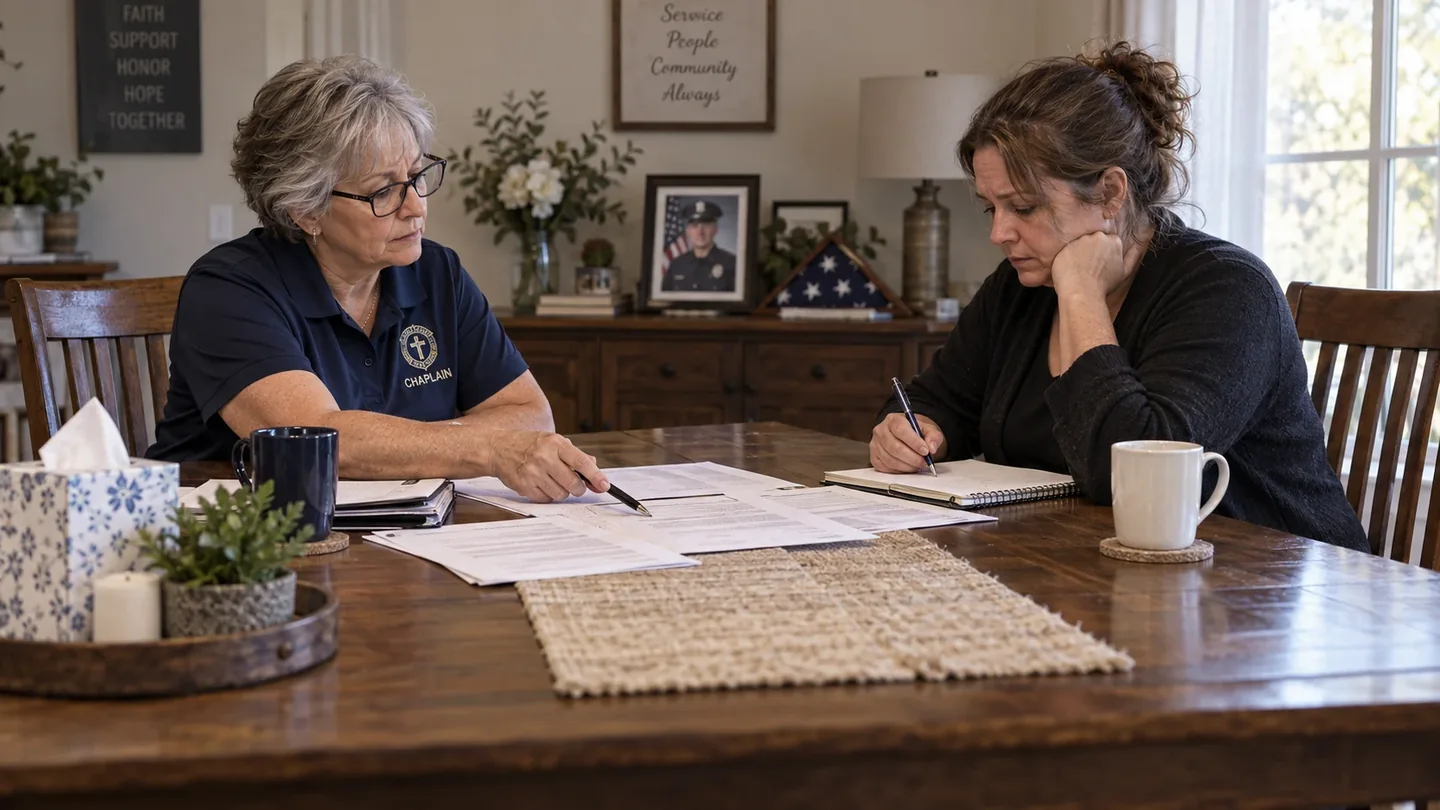
Police Chaplain
Project

Thanks to public support… since 2008

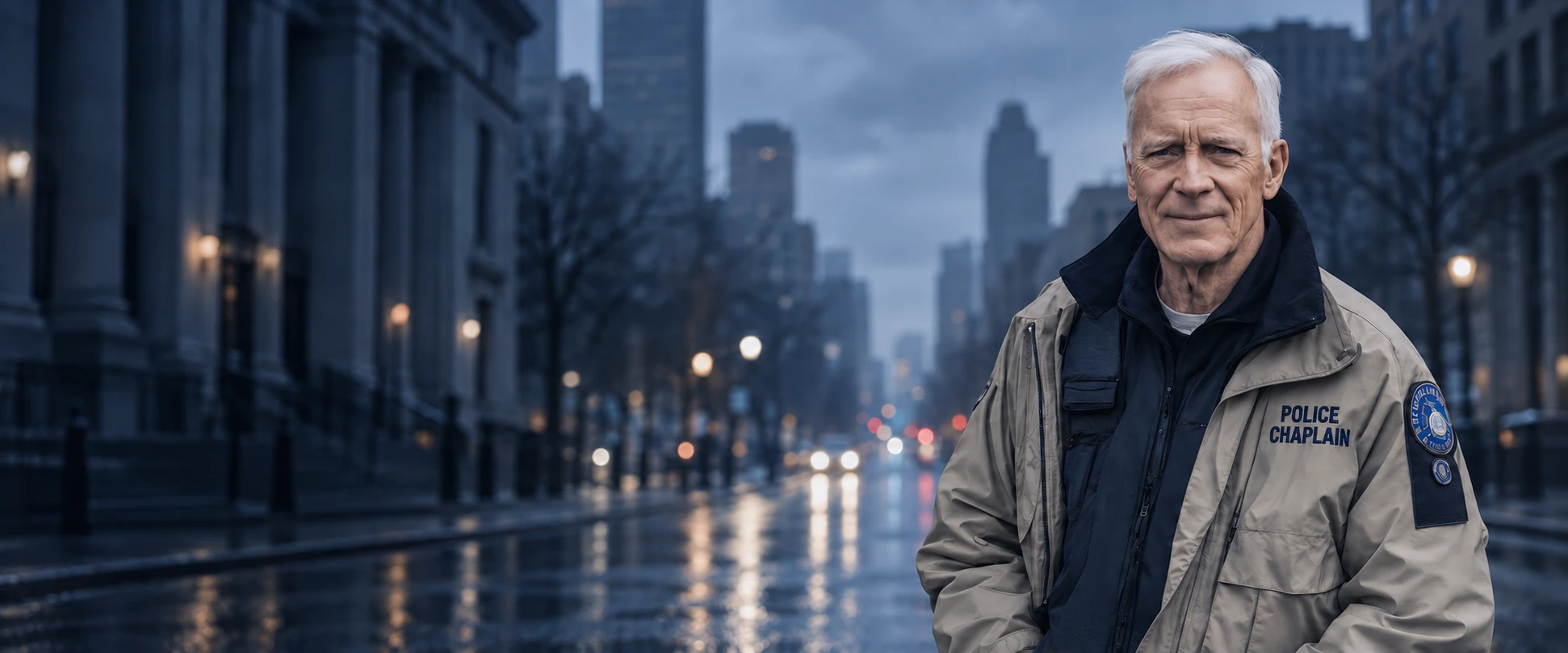
No one in American life understands the spiritual weight of police work the way a chaplain does.

Visit ChaplainUSA.org Watch the Police Chaplain Project video

After every mass shooting, natural disaster, family crisis, and line-of-duty death—it is a police chaplain who steps into the void and heals what's broken.

The Police Chaplain Project brings together an extraordinary group of chaplains and private citizens, each dedicated to improving the lives of police officers and their families.

Your support ensures that officers and their families always have someone to turn to when it matters most.
Survivor
Network

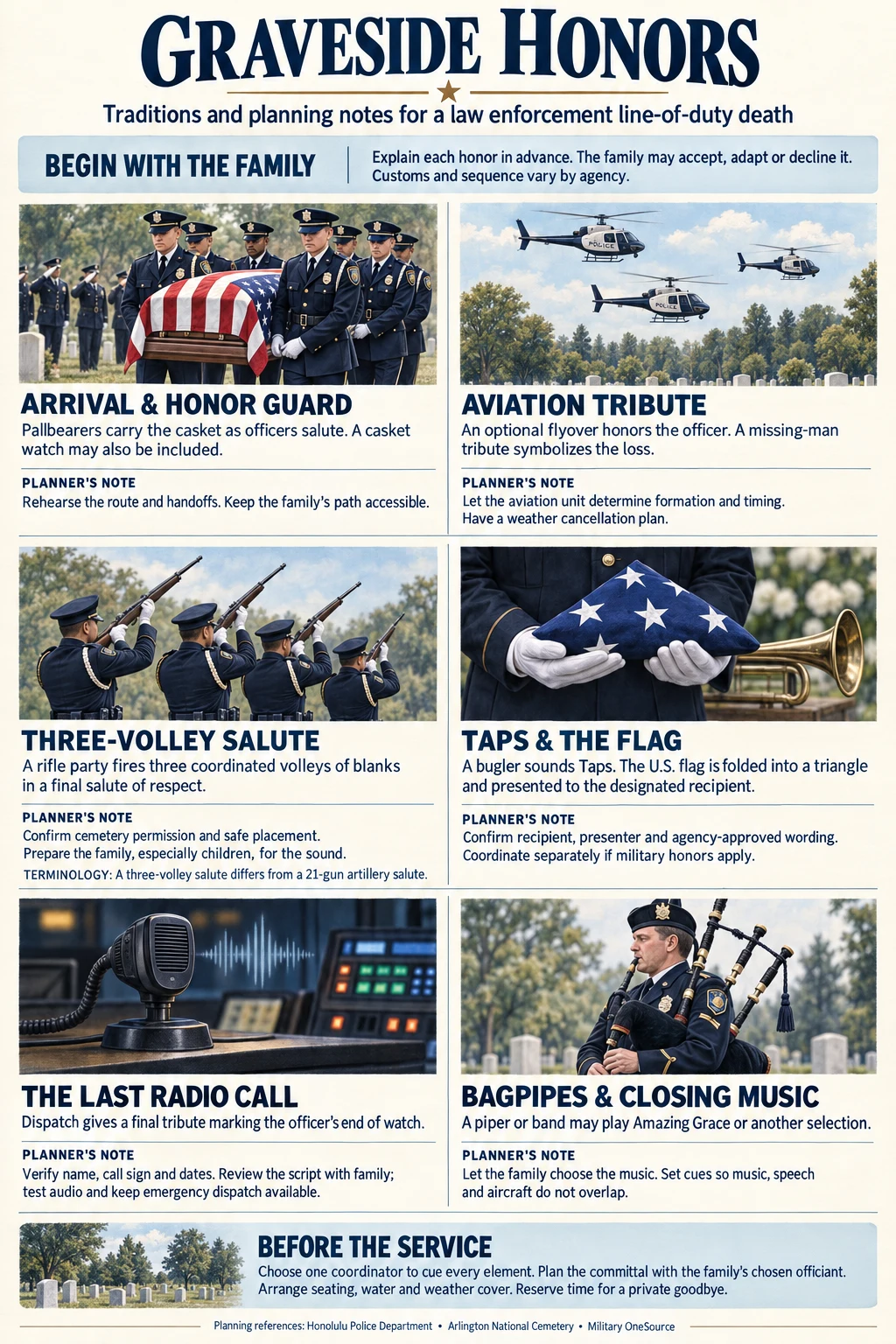
When an officer dies, grief reaches more than one family. It moves through a department, a neighborhood, a church, a city—and every person who knows the cost of the badge.

Visit ChaplainUSA.org

Most people want to help. Many don't know how. So they go quiet.

Police chaplains offer a better way.

The Survivor Network gives chaplains, officers, survivor-support groups, churches, civic organizations, and neighbors plain tools for coming closer after loss.

And in the hours after a funeral or memorial service—when the crowds have gone home and formal support is no longer practical—our chaplains are still there. Available around the clock, our gallery of chaplains speaks directly to those in grief, filling the silence that so often surrounds loss with words of hope.

Junior Police
Academy

Thanks to public support… since 1992

Want to know the most powerful way to lift the well-being of police officers?

Visit JuniorPoliceAcademy.org

Bring them together with young people.

Watch the Junior Police Academy video

The Junior Police Academy creates meaningful relationships between officers and the young people they serve:

  • Students learn responsibility, discipline, and service.
  • Officers reconnect with the reason they became police officers in the first place.

The Academy turns officers into mentors, teachers, and role models. The result is powerful for everyone involved:

  • Young people gain respect and understanding for the profession.
  • Officers rediscover the deeper purpose behind their work.
  • Communities grow stronger—because trust begins long before it is ever tested.

Stories from the work

Read how chaplains, officers, families, and communities prepare for hard moments and care for one another afterward.

5 Things Every Department Chief Needs to Do Now Before the Unthinkable

Read the story

The 5 Essential Words in Every Chaplain’s Dictionary

Stepping into the aftermath of a crisis takes specific skills for supporting people in distress.

Read the story

The Dangerous Silence

When the bagpipes fade and the crowds go home, grieving officers and families face an isolating void. The Survivor Network helps catch those falling through the cracks.

Read the story

The Pharmacological Sledgehammer

How drugs alter the brain, and what caregivers, chaplains, and parents need to understand.

Read the story

A Tribute to an Extraordinary Soul

Remembering a police chaplain and his lifelong mission to “rescue the rescuers.”

Read the story
More stories and articles →

Support three bills that help police officers.

Mental health care. Better safety information. Resources for small departments.

See the three bills

About Our Name

Police Lives Matter USA stands for something simple: the men and women behind the badge are human beings—and so are the people and communities they serve.

We are not a political organization. We are a public awareness initiative of ChaplainUSA, a registered 501(c)(3) nonprofit, working to change how America sees its officers—not as symbols, but as people.

Program video