
5 Things Every Department Chief Needs to do Now Before the Unthinkable

America's Foremost Expert on Line-of-Duty Death Memorials, John Cooley, veteran of the LAPD, has some end of career warnings.
When a law enforcement officer is killed, the practiced objectivity of a department shatters. Suddenly, police leaders who are trained to take charge and solve problems are faced with an agonizing reality: dealing with the loss of one of their own is intensely personal, and it is incredibly difficult to remain organized when you are grieving.
For over a decade, Sgt. John Cooley served as the Officer-in-Charge of the LAPD’s Employee Assistance Unit and the department’s Funeral Coordinator, managing more than 80 police funerals—including 18 line-of-duty deaths. Widely recognized as the nation's premier authority on police memorial services, Cooley has spent his retirement educating agencies on how to handle the logistical and emotional aftermath of a tragedy.
If you are a Police Chief, Sheriff, or Department Head, the responsibility of honoring a fallen hero—and guiding your department through the darkness—ultimately falls on your shoulders. Based on his decades of experience, here are the five critical things Sgt. Cooley wants every law-enforcement leader to know before the unthinkable happens.
1. "Closure" is Not Synonymous with Burial
Because police leaders are natural problem solvers, their instinct during a crisis is to take control and make rapid decisions. Cooley frequently witnessed well-meaning police chiefs rush to schedule a funeral within mere days of a death, believing they were helping the family achieve swift "closure".
However, closure is a long journey, not a destination reached by closing a casket lid. When departments rush the timeline, grieving families often feel sidelined and overwhelmed, as if the department's agenda is being crammed down their throats. Leaders must remember to offer "guidance, not instructions," giving traumatized families the patience and time they need to make meaningful choices about the services.
Police Lives Matter urges support for extending hate-crime protections to law enforcement officers. Recognizing attacks on officers as hate crimes would:
Acknowledge targeting motivated by bias against a person’s profession.
Provide stronger legal tools and penalties to deter violence.
Offer clearer recourse and support for affected officers and
2. You Need a "Service Provider," Not an "Event Planner"
If a line-of-duty death occurs today, who is your funeral coordinator? Many agencies mistakenly default to their special events coordinator or patrol commander. As a result, the focus shifts to logistics—parking cars, managing traffic, and seating dignitaries—while the critical "people issues" become a disaster.
Cooley insists there is a profound difference between an event planner and a service provider. A true funeral coordinator must step outside the comfort zone of tactical logistics and immerse themselves in the human elements of bereavement. Their primary job is to listen to the family, coordinate emotional support, and navigate the psychological complexities of a traumatized department.
3. Your Protocol Must Be "Your Agency, Your Protocol"
When crisis strikes, it is too late to discover that your department's funeral protocol is incompatible with your actual organizational structure or resources. One of the most common mistakes agencies make is borrowing a neighboring department's 70-page manual and simply changing the word "deputy" to "officer". There is no universal, one-size-fits-all plan.
A funeral protocol should not be a lengthy narrative; it should follow the universal ABCs of police reporting: Accurate, Brief, and Complete. It needs to be a user-friendly action plan composed of bullet points and checklists that tell your team exactly what to do, when to do it, and who is responsible.
4. Practice "Compassionate Notifications"
Police culture prizes stoicism, but carrying that callousness into the station house following an officer's death is destructive. Cooley strongly advocates for "Compassionate Notifications," insisting that everyone—from the newest recruit to the Chief of Police—deserves to be told of a tragedy gently.
There is a stark difference between abruptly calling a commander and saying, "John was just killed," versus taking a few extra seconds to say, "Chief, it's difficult for me to tell you this, but there was a shooting...". Giving the listener a few seconds to emotionally process the incoming blow takes minimal effort, but it is the compassionate, necessary thing to do.
5. Adopt the "If Not Me, Who?" Philosophy
People experiencing acute grief are paralyzed; they rarely know what to ask for, nor will they seek out help on their own. Cooley stresses that offering "lip service"—such as handing a widow a card for a psychologist or suggesting she read a book—is a failure of duty.
Every department leader and funeral coordinator must adopt the mantra: "If not me, who?". If a family needs counseling, don't just give them a number; dial the phone and make the appointment for them. If they need to understand the funeral planning process, sit down and read the literature with them. True service means stepping into the void and doing the heavy lifting for those who cannot do it themselves.
The 5 Essential Words in Every Chaplain’s Dictionary
As a police chaplain, stepping into the chaotic aftermath of a crisis requires more than just good intentions; it requires a specific set of skills to effectively support those in distress.
Mastering the core vocabulary of crisis intervention and compassionate care.
As a police chaplain, stepping into the chaotic aftermath of a crisis requires more than just good intentions; it requires a specific set of skills to effectively support those in distress. To truly operate at the top of your game, it is vital to fully understand the foundational meaning behind the actions you take. By mastering five essential words, chaplains can better define their role and maximize the healing they bring to officers and their communities.
Here are the five keys to effective chaplaincy:
Connect: To establish a rapport. A passing, superficial acknowledgment is not enough. Chaplains must strive to create a true, meaningful connection with the people they are called to serve.
Listen: To hear something with thoughtful attention. True listening means giving your full, undivided attention and refusing to be distracted so that you actually hear what the other person is communicating.
Compassion: A sympathetic consciousness of another's distress, combined with a desire to alleviate it. When you show true compassion, you let the person know that you see their pain and genuinely want to help them carry it.
Empower: To promote self-actualization or influence. A successful chaplain does not step in to make decisions for someone in crisis; instead, they empower the traumatized individual to regain their footing and make their own choices.
Gift: Something voluntarily transferred from one person to another without compensation. When a chaplain invests their time and energy to become conscious of another person's pain and strives to lessen it, they are offering a profound and true gift.
In Summary These five words—connect, listen, compassion, empower, and gift—form the very backbone of effective chaplaincy. Understanding their true, active definitions transforms abstract concepts into actionable tools for ministry, allowing you to connect with thoughtful attention and empower others to make good choices.
Keep Up the Great Work The work you do in the shadows is heavy, but by keeping these five simple words at the forefront of your mind, you are fully equipped to bring light to the darkest of places. Keep leaning into your calling with an undivided ear and a compassionate heart—your presence is an invaluable gift to the officers and families who need it most.
The Dangerous Silence
When the bagpipes fade and the crowds go home, grieving police officers and families are left in an isolating void. How the Survivor Network uses police chaplains to catch those falling through the cracks of traditional support.
When the bagpipes fade and the crowds go home, grieving police officers and families are left in an isolating void. How the Survivor Network uses police chaplains to catch those falling through the cracks of traditional support.
The critical hours immediately following a police memorial service are often the most perilous. When the primary support network packs up and goes home, the fallen officer's parents, grown children, and colleagues are left to navigate the devastating silence of unresolved grief alone. To prevent these survivors from being abandoned in the void, the Survivor Network steps in to provide immediate, accessible intervention.
Here is how this vital platform acts as a permanent safety net:
A 24/7 Sanctuary: The Survivor Network operates as a "private corner of the Internet," providing accessible, round-the-clock words of hope when traditional help is no longer available or practical.
The Authority of Kindred Spirits: Platitudes do not work on deep trauma. The network features testimonies from fellow survivors—"kindred spirits" who speak to the grieving with the unique, undeniable authority and conviction of shared experience.
Spirituality Beyond the Pew: Suffering of this magnitude often transcends the walls of the traditional church. By bringing the hard-earned wisdom of America's top police chaplains directly to the survivor, the network pulls grieving individuals toward comfort, regardless of their religious background.
The Mandate We cannot abandon the extended law enforcement family the moment the funeral concludes. The Survivor Network ensures that the profound, lingering grief of those left behind does not go unresolved.
Keep Standing in the Gap By pointing survivors toward this crucial, around-the-clock resource, police chaplains and department leaders can ensure their people are supported long after the crowds have dispersed. You have the power to break the dangerous silence of grief—keep using it.
The Pharmacological Sledgehammer
Understanding exactly how drugs alter the brain so caregivers, chaplains, and parents can provide the kind of help someone need to actually survive.
Understanding exactly how drugs alter the brain so caregivers, chaplains, and parents can provide the kind of help someone need to actually survive.
To truly help someone facing opiate withdrawal, it is crucial first to understand the immense biological and physiological battle they are fighting. Often, we underestimate the sheer physical toll that detox takes on the body and mind.
With the science of addiction and the wisdom of chaplaincy in mind, here is how you can practically support someone in the throes of opiate withdrawal:
Understand the Science of the Suffering: Neuroscientist Dr. Judith Grisel explains that opiates act as a "perfect antidote to suffering," creating an artificial euphoria that the brain eventually adapts to. Over time, the person stops feeling high and relies on the drug simply to avoid feeling sick and miserable. When the opiate is removed, the brain responds by producing an overwhelming amount of suffering—far more than the individual experienced before they started using.
Be Aware of the Complexities of Substitute Treatments: You may encounter discussions about treatments like methadone. While methadone prevents the intense period of immediate withdrawal and is often easier for society to manage, it is a "pure substitute addiction". Because it is so long-lasting, it can actually be harder for a user—especially a young person—to eventually detox from methadone than from heroin.
Offer Steadfast, Non-Judgmental Care: Recognize that their struggle is a biological rewiring of the brain, not a moral failing or a lack of willpower. Your patience, empathy, and willingness to understand the science behind their addiction are powerful lifelines.
Provide a Compassionate, Undistracted Presence: When someone is in the depths of a crisis or deep suffering, you can offer the "gift" of your time and energy. True compassion involves recognizing their severe distress and genuinely wanting to help alleviate it without trying to make decisions for them.
Ask the Most Powerful Question: It is normal to feel fear or anxiety when seeing a loved one in such intense pain. However, instead of trying to offer a permanent solution or accidentally invalidating their pain, you can position yourself as a listening ear, an ally, and a partner in their struggle by simply asking: “How can I help?”.
In Summary Opiate withdrawal is a grueling, physiological nightmare that goes far beyond a simple behavioral choice. By understanding the neuroscience behind the immense suffering a withdrawing brain produces, we can replace our natural fears and judgments with genuine compassion and informed support.
Keep Standing By Them To the caregivers, chaplains, and family members walking alongside someone in this dark place: your steadfast presence is profound. Standing in the void and offering your undistracted time and empathy is the greatest gift you can give to someone in pain. Keep being a patient partner in their struggle. Healing those neural pathways takes time, but your unwavering support proves to them that they do not have to fight this battle alone.
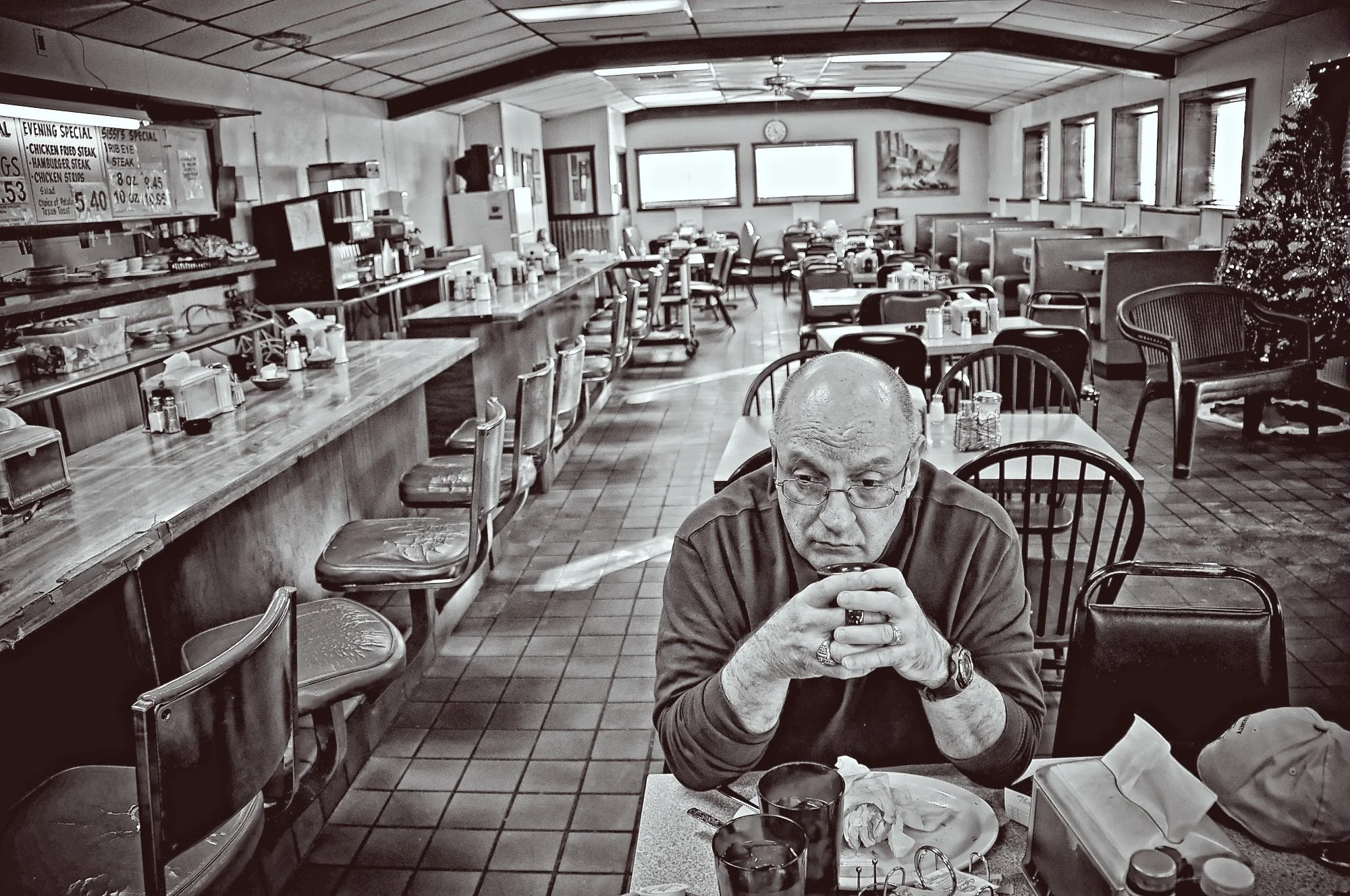
A Tribute to an Extraordinary Soul
Remembering one of America's greatest police chaplains and his lifelong mission to "rescue the rescuers." by Phillip LeConte
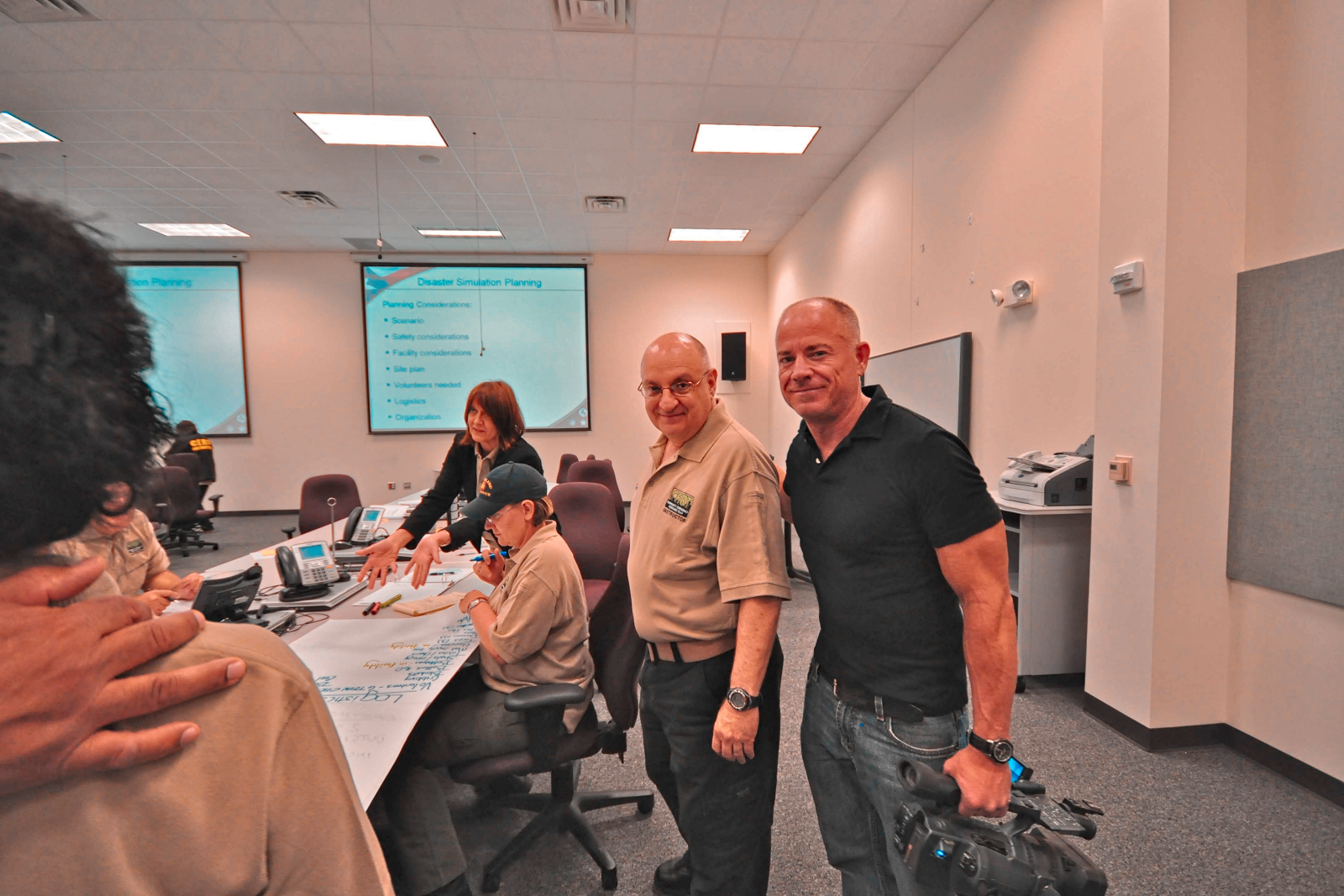
Chaplain Fair and the author at College Station.
Remembering one of America's greatest police chaplains and his lifelong mission to "rescue the rescuers." A tribute to Dave Fair by Phillip LeConte
We are all good at something. I am good with a camera—not nearly as good as some, but better than most. My dear friend Dave Fair, however, was a good chaplain. In fact, I suspect he was one of the best there ever was. On January 7, 2023, Dave passed away at the age of 76, leaving behind a beloved family and a profound legacy in his hometown of Brownwood, Texas, and across the nation. What made Dave so extraordinary was his unparalleled ability to step into severe distress and help grieving people find real hope. He perfectly embodied the best of social teaching, surrendering himself to his faith without a drop of self-pity.
Here is what made Dave’s legacy so enduring, and what we can all learn from his life on the front lines of tragedy:
Standing in the Shadows: Dave held a deep, generous belief in the inherent rights and dignity of every human life. This conviction led him to stand in unwavering solidarity with the weak, the suffering, the outcasts, and the misfits. He never judged the road they were on; instead, he brought his faith directly to those living in the shadows of life.
Rescuing the Rescuers: Dave’s deployments read like a timeline of America’s darkest days, including the Luby's Cafeteria mass murders, the Oklahoma City bombing, Ground Zero after 9/11, the Space Shuttle Columbia recovery, and Hurricane Katrina. He knew that working these front lines puts first responders at massive risk for PTSD and depression, noting that the trauma "begins eating you from the inside out". His mission was always clear: get to the scene, rescue the rescuers, and ensure that those who do the grueling work of recovery are able to recover, too.
A Burden Shared: Doing this work comes at a steep price, and Dave accumulated the psychological scars common to crisis chaplains. It was a heavy burden shared deeply by his wife of 47 years, Karen, whom he lovingly called the "wind beneath his wings". With every disaster he deployed to, Karen carried the quiet fear that he might not come back, sacrificing her own peace of mind so he could serve others.
In Summary Dave Fair’s life was a masterclass in living generously, honestly, kindly, and faithfully. He called forth our better selves to dispense comfort and strive for justice. Even as his agonizing battle with cancer wore on, Dave told us he felt no fear—only extreme gratitude for his accomplishments, his wonderful family, and his loving God.
Keep Shining Your Light The work of a caregiver or chaplain can often feel overwhelmingly heavy, but your presence has a massive impact. As Dave once reminded us, "How far that little candle throws his beams! So shines a good deed in a weary world". Remember his beautiful, enduring promise: "Grief and tragedy and hatred are only for a time. Goodness, remembrance and love have no end". May we all strive to carry that light forward into the dark places that need it most.